Pinboard archive / Engineering case study
Context
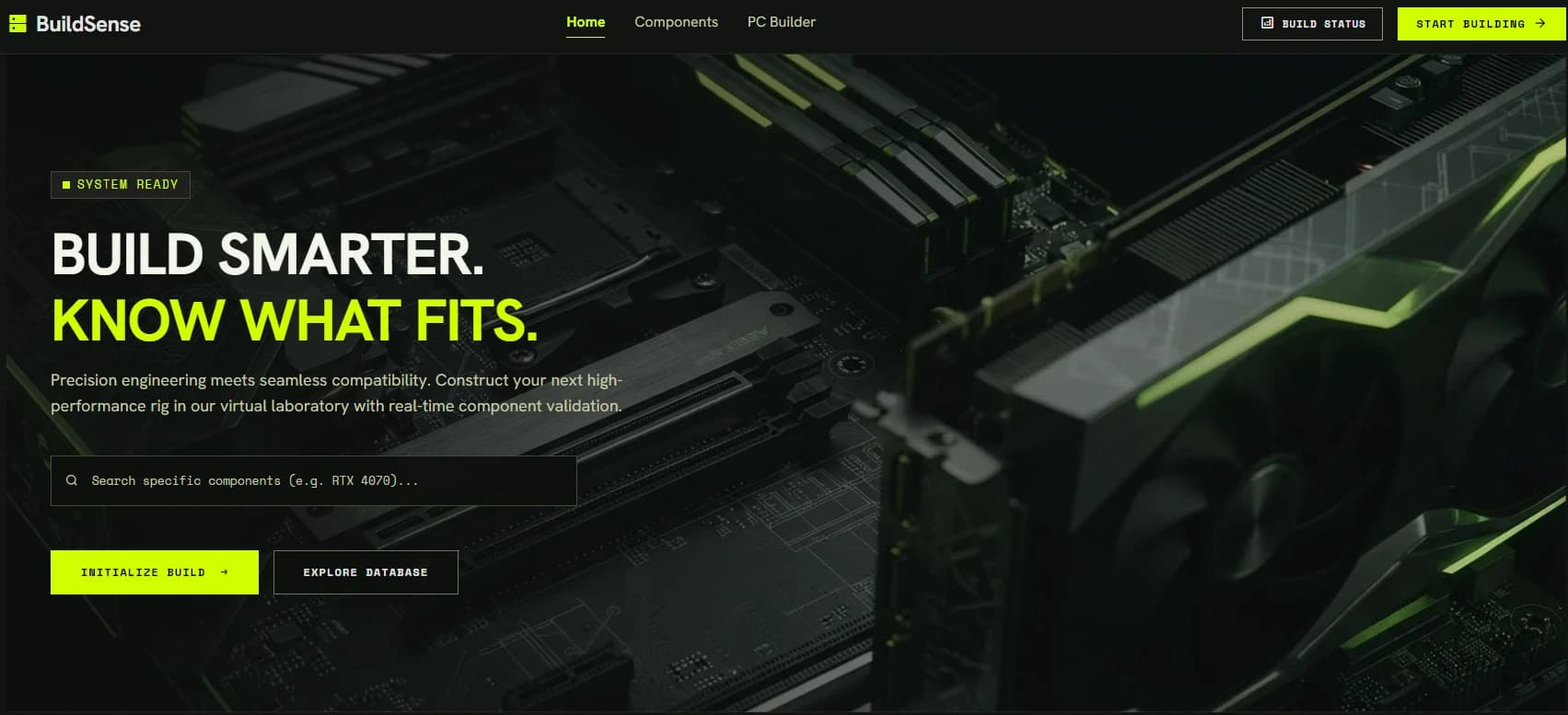
A solo original product that turns fragmented local retailer data into one decision-support catalog.
- Working context
- Individual project
- My role
- I designed the product and built its Angular interfaces, Express API, ingestion worker, compatibility rules, and shared Nx packages.
- Who was affected
- People comparing PC components and planning a build across local retailers.
Problem brief
Problem
Egyptian PC shoppers had to reconcile fragmented retailer catalogs, duplicate product listings, uneven specifications, and uncertain part compatibility on their own.
Operating constraints
- 01Retailer data differs in naming, structure, completeness, and availability.
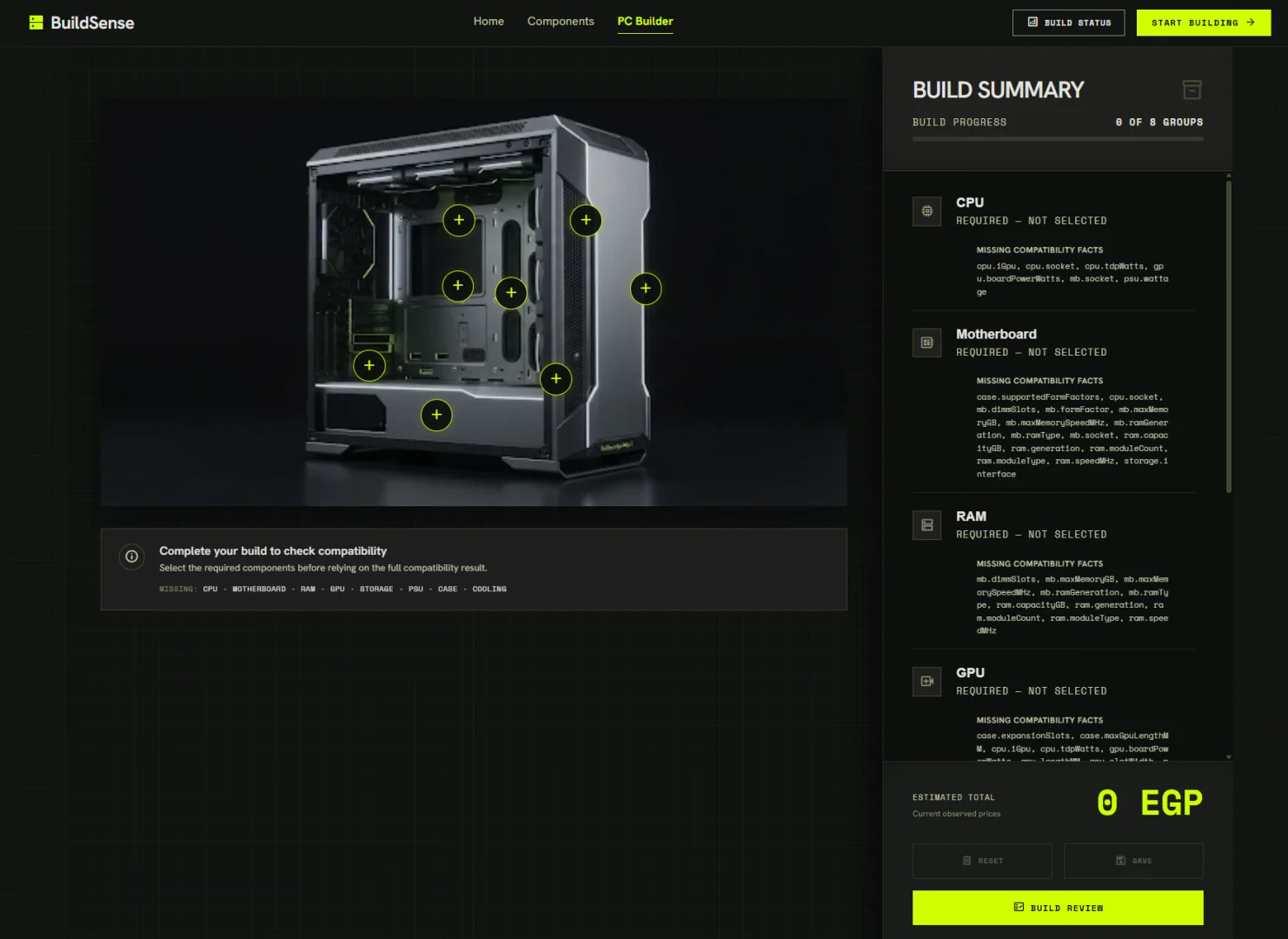
- 02Compatibility cannot be claimed when the required source facts are missing.
- 03Some protected pages require approved browser captures rather than direct HTTP collection.
Evidence / reasoning
Problem Research
Identity before aggregation
I compared retailer naming and specification patterns to determine which facts could prove that two offers represented the same component.
Uncertainty is a product state
I traced compatibility rules back to their required sockets, dimensions, wattage, and interfaces, then treated every missing prerequisite as an explicit unknown.
Separate request work from ingestion
I separated interactive catalog requests from long-running store ingestion after mapping their different timeout, retry, and recovery needs.
Implementation files
How I Solved It
Persistent PC builder
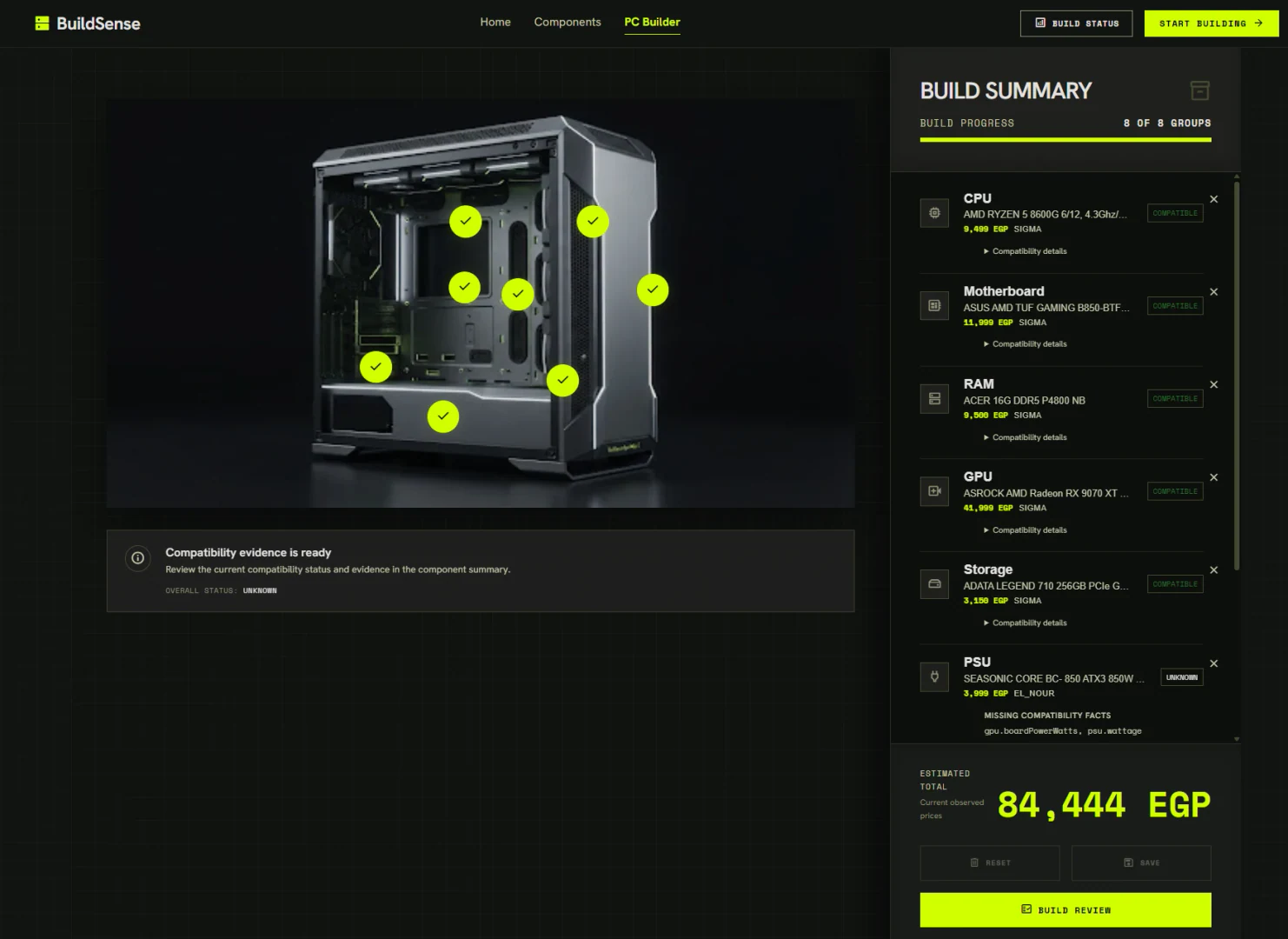
I built eight persistent component slots that retain a public build and its compatibility state.
Multi-store catalog
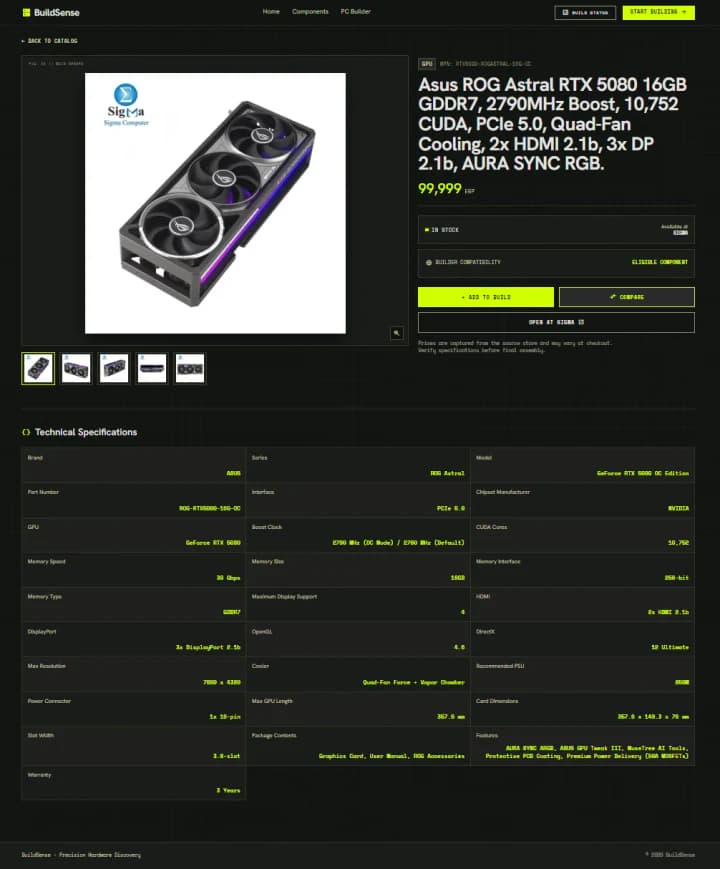
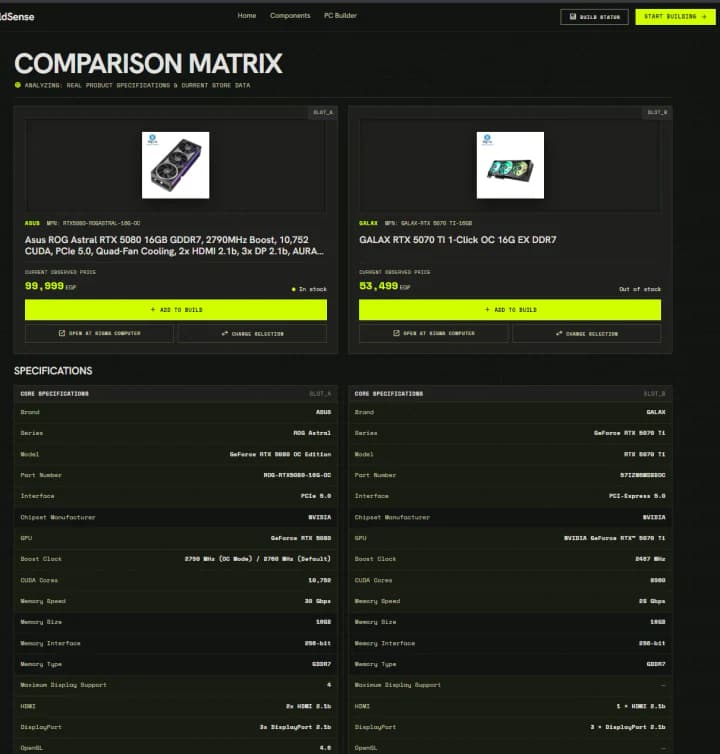
I combined verified specifications and known retailer offers on one product page.
Purchase plan
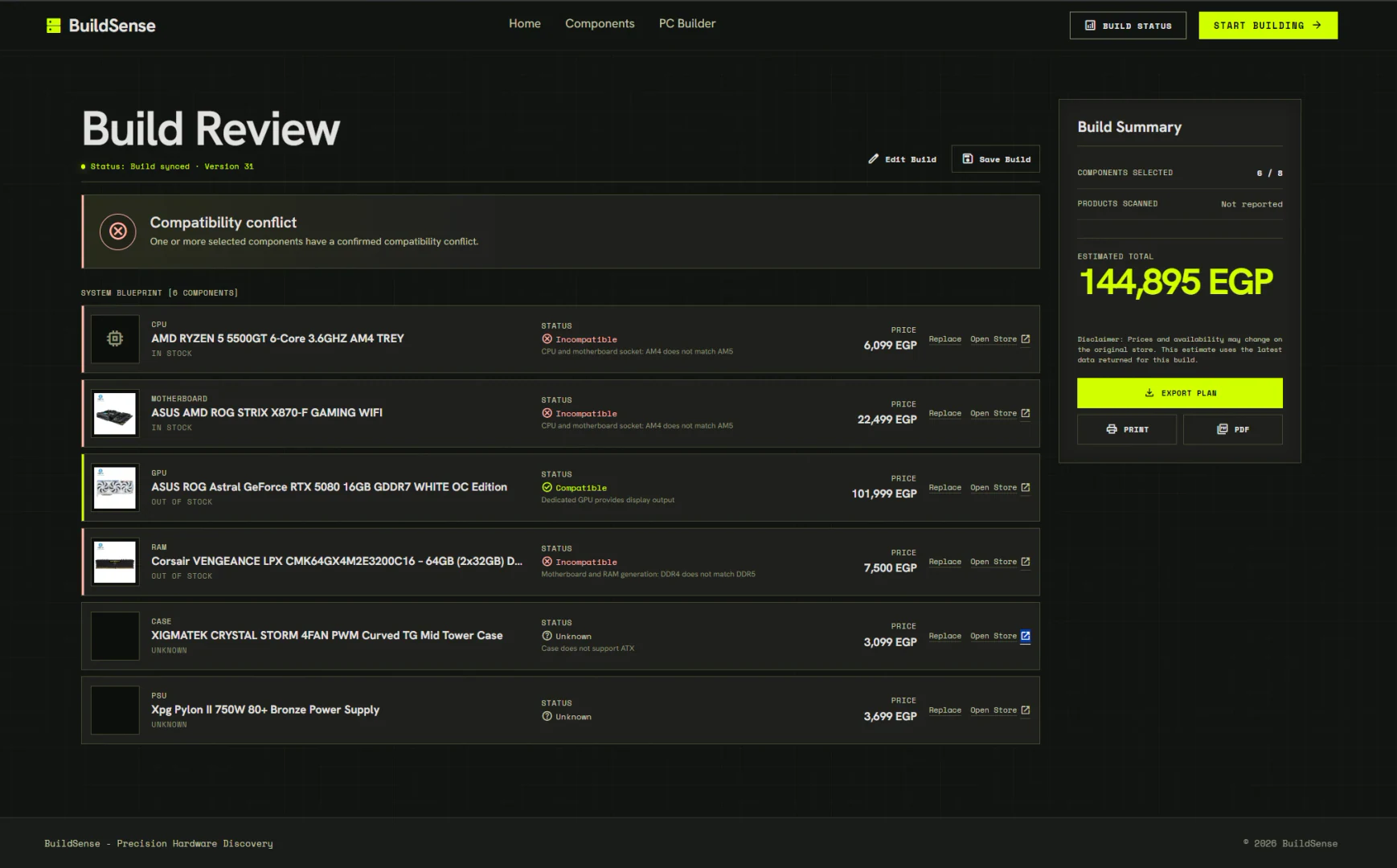
I turned a completed build into a store-by-store purchase checklist.
System map
System Architecture
Diagnostic notes
Challenges
Cross-store product identity
Similar names do not prove that two retailer listings represent the same component.
Protected retailer pages
Not every source supports reliable direct HTTP discovery.
Quality gates
Technical Safeguards
Security
I protected the administration surface with Helmet, CORS, scrypt, opaque sessions, CSRF, and origin validation.
Reliability
I made failures inspectable with immutable snapshots, idempotent publishing, resumable runs, request IDs, and readiness/liveness endpoints.
Validation
I configured Vitest, MongoDB Memory Server, Playwright, axe-core, CI, and strict TypeScript across the workspace.
Ownership record
My Contribution
I designed and built the product, its Angular interfaces, Express API, ingestion worker, compatibility rules, and shared Nx packages.
- Working context
- Individual project
- My role
- I designed the product and built its Angular interfaces, Express API, ingestion worker, compatibility rules, and shared Nx packages.
Closing record
Outcome
I implemented a public decision-support catalog, eight-slot builder, compatibility engine, purchase plan, admin console, and multi-store ingestion pipeline.
I publish the source, live catalog, architecture documentation, automated tests, CI, and operational tooling.
I keep compatibility evidence-gated: missing source facts appear as unknown rather than a guessed result.
My next step is to expand reliable source coverage while keeping every compatibility result gated by verified facts.
Curated project media
Related Evidence